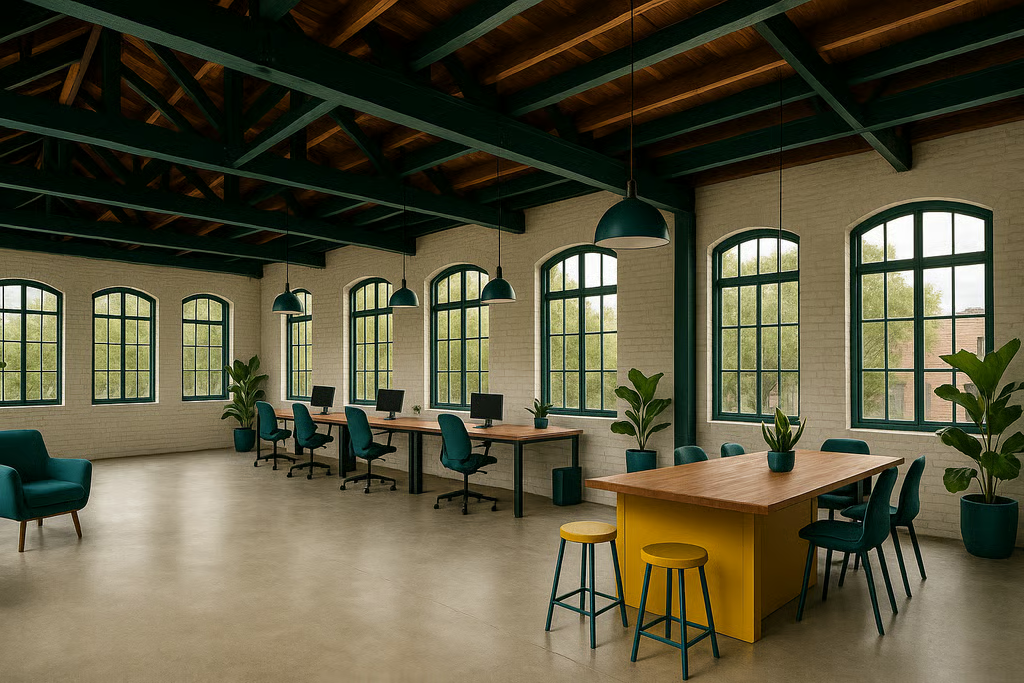
Tampa Bay’s rich industrial heritage is finding a new lease on life through historic warehouse conversion Tampa Bay projects that marry preserved character with modern functionality. In this article, we’ll dive into how adaptive reuse is reshaping the Tampa Bay commercial real estate landscape, turning old brick-and-beam structures into vibrant creative office lofts that appeal to today’s tenants and investors alike.
What Is Adaptive Reuse and Why It Matters
Adaptive reuse is the practice of repurposing existing buildings for new functions. Rather than demolish a structurally sound historic warehouse, developers preserve architectural details while upgrading interiors to meet contemporary CRE demands. This approach reduces construction waste and taps into the unique ambiance that tenants crave.
Why Tampa Bay Warehouses Are Prime Candidates
Many of Tampa’s former warehouses, especially those along the Hillsborough River and in Ybor City, feature robust open layouts, high ceilings, and large windows, qualities that make them ideal for conversion into loft style offices. By spotlighting these sites, developers can leverage local character and proximity to downtown Tampa, St. Petersburg, and the burgeoning innovation corridors in Hillsborough, Pinellas, and Pasco counties
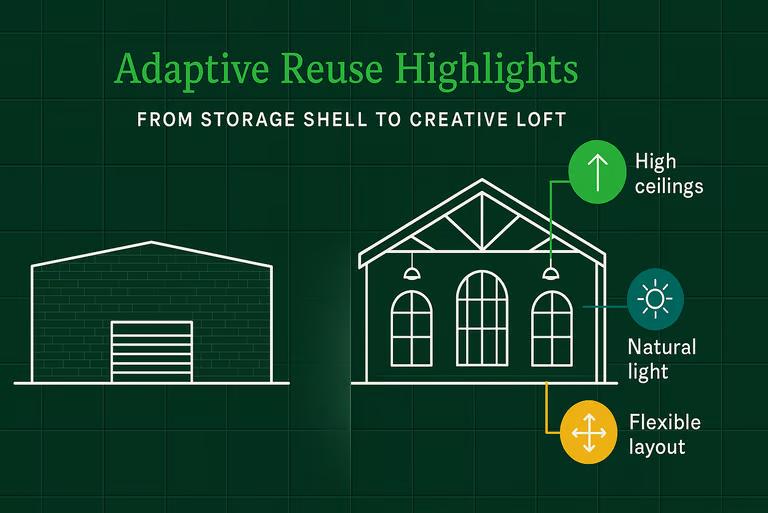
Key Benefits of Creative Office Loft Conversions
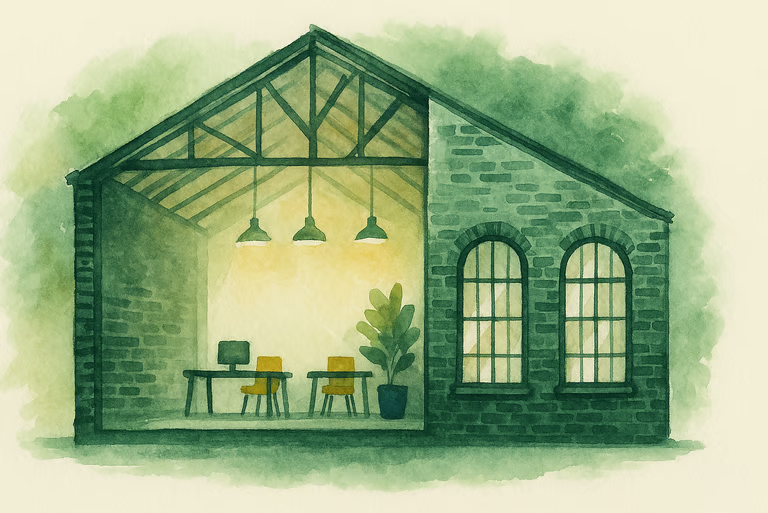
- Character Driven Spaces: Exposed brick, steel trusses, and original hardwood floors lend an authenticity that modern builds cannot replicate.
- Sustainability Wins: Adaptive reuse reduces landfill waste and often qualifies projects for green building incentives.
- Tenant Attraction: Creative firms, tech startups, and design studios are drawn to unique environments that reflect their brand ethos.
- Value Uplift: Historic conversions can command premium rental rates compared to standard office suites.
Case Studies: Success Stories in Tampa Bay
- 1. The Bayshore Lofts in West Tampa: A 1920s cold storage facility reborn as a multi tenant office building, retaining original loading docks as collaborative outdoor terraces.
- 2. Riverfront Collective in downtown St. Pete: Former shipping warehouse turned open plan coworking venue, featuring mezzanine lounges and event space.
Planning Your Warehouse Conversion Project
1.Feasibility and Due Diligence: Assess structural integrity, environmental remediation needs, and historic preservation requirements.
2. Zoning and Regulatory Path: Engage with the City of Tampa’s Historic Preservation Office and secure variances for setbacks, parking, and mixed use allowances.
3. Design and Brand Integration: Collaborate with architects skilled in blending new mechanical, electrical, and plumbing systems into old frameworks.
4. Marketing and Leasing Strategy: Position the building in the Tampa Bay commercial real estate market as a landmark destination, targeting tenants who value both function and flair.